

Afghanistan faces one of the biggest humanitarian crises in the world. Decades of conflict have left millions in poverty and restrictions on daily life for women and girls in school, work and movement, have increased vulnerabilities to exploitation. An estimated 86% of the population is now considered at risk for exploitation. Behind that number are real families making impossible choices just to get by.
Since 2008, Hagar has worked with women and children in Afghanistan who have suffered unimaginable exploitation and abuse. Our team in Afghanistan has walked the whole journey of restoration and justice with 3,500+ survivors.
Our work protects children, supports families to build safer futures, and adapts fast when conditions change overnight.
Afghanistan
Hope for Women and Children in Crisis

-
86 %
of Afghanistan's population is at risk of trafficking or exploitation — Walk Free Foundation
-
38 %
of children surveyed in Afghanistan have been pushed into child labour — Save the Children
-
56.5 %
of Afghans live below the poverty line, amid one of the toughest economies in the world — World Bank
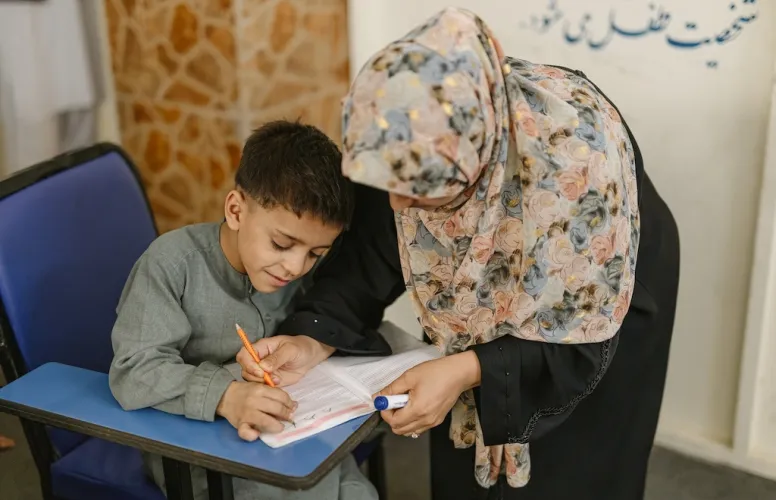
Restoration: Bringing Care Closer to Home
We bring healing and protection into the heart of the community.
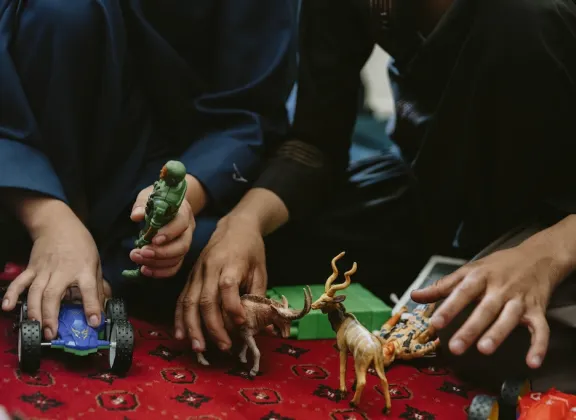
Hagar’s survivor care programs are embedded in communities. Women and children are reached with trauma-informed care, medical care, counselling, school scholarships, and hands-on job training in skills like tailoring, plumbing, and phone repair. Our Community Based Protection Centre supports hundreds of children each year, giving them the support and care they need to heal from trauma and forge a hopeful future.
-
"We're not stepping back—we're stepping closer... This approach brings healing and protection into the heart of the community."
Rohullah Ahmadi,Hagar Afghanistan Country Director

Ahmad is thirteen, the eldest of ten children. When his father became too ill to work, Ahmad left school to earn money on the street. He polished shoes and collected scrap metal, work that put him at constant risk. Through Hagar's community-based program, Ahmad went back to learning and started a plumbing apprenticeship that fit his own interests. With counselling and ongoing support for both Ahmad and his family, stability slowly returned. “Before, I was just trying to survive,” Ahmad says. “Now I am learning skills and thinking about my future.”
Prevention: Building a Future Free of Exploitation
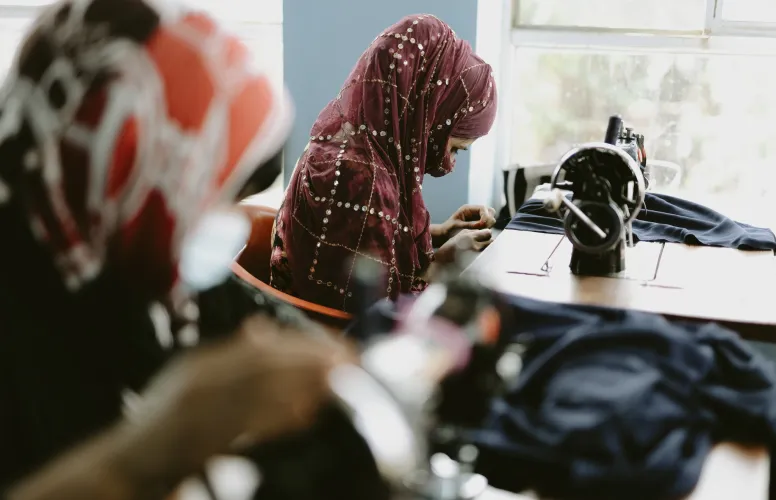
We help women build an income that doesn't put them at risk.
Hagar's livelihood program trains vulnerable women, including internally displaced persons (IDPs), returnees, survivors of violence, and other women at risk to learn new skills and run small businesses. More than 450 women have learned these skills through cooperatives in Kabul Province and now earn a living wage to support their families. We train community leaders to stop exploitation before it starts. Hagar also trains local leaders and clients' families to recognise signs of risk and vulnerability, helping them protect children and young women to stay safe, access appropriate support, and build more secure futures.
Strengthening Systems to Support Vulnerable Families
We strengthen systems to protect children.
Formal legal paths for survivors look different in Afghanistan than in other countries where Hagar works. We work with local and international partners to raise child protection standards and help the systems that do exist to keep women and children safe.
Girls Community Protection Centre
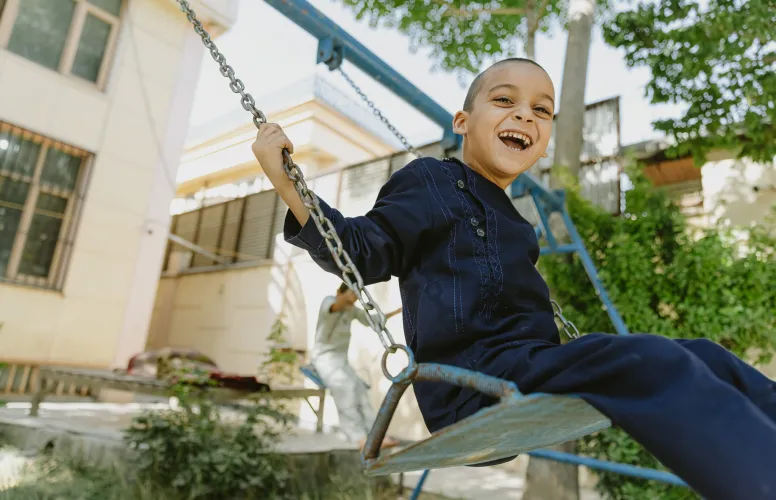
For most girls in Afghanistan, the future is bleak. After grade 6, they are unable to attend school. Far too many young girls are forced to marry young, when they are still children. In 2026, Hagar opened its first vocational training centre built just for girls aged 12 to 18, where they learn how to read, access job skills, and help support their families.
Give with confidence. Governments, businesses,
and global organisations trust Hagar's work.




Help protect a child in Afghanistan.
Your gift funds safe spaces, livelihood training, and community-based care for women and children facing some of the toughest conditions in the world.